现阶段,外照射放疗技术(如浅层 X 线、电子束疗法)在临床中仍被广泛应用,其作用机制主要是通过抑制成纤维细胞的异常增殖,从而实现对病灶发展的有效控制。值得关注的是,近年来关于近距离放疗(Brachytherapy)的研究不断深入,该技术凭借精准靶向的剂量分布特性,在降低疾病复发率与保护邻近正常组织方面,显示出更具优势的治疗潜力。临床实践中,治疗方案的制定需结合病灶的具体解剖特征(如组织厚度、发病部位等)、可获取的医疗资源条件以及成本效益等多重因素综合评估,通过为患者定制个体化的外照射或近距离治疗方案,以实现复发控制与治疗安全性的平衡。
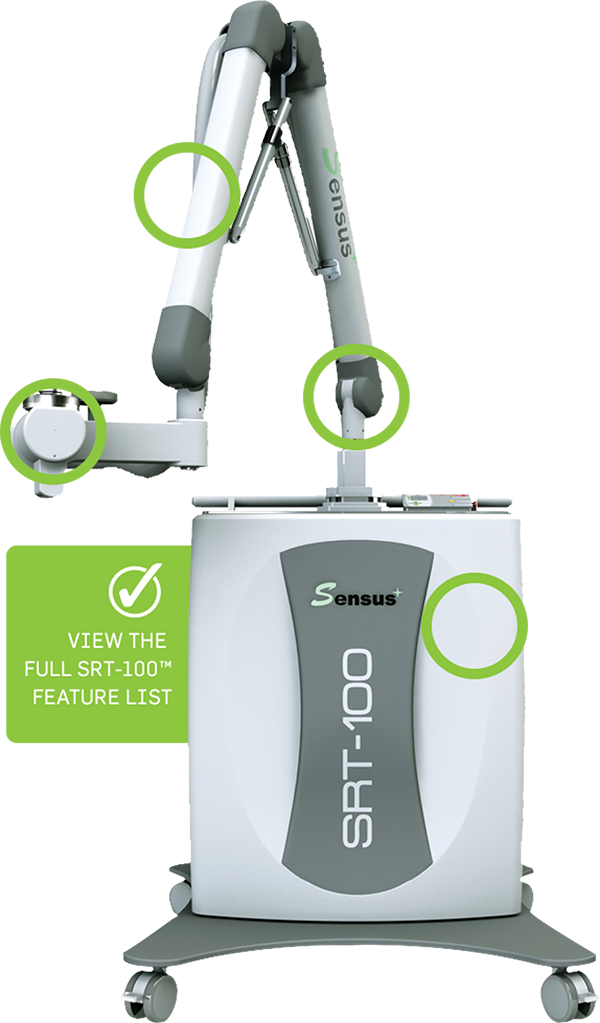
1.What is Superficial X-ray Radiotherapy? 什么是浅层X线放射治疗? Superficial X-ray radiotherapy can be understood as radiotherapy for surface tissues. It uses soft X-rays, which is a type of low-energy radiation therapy. Its tissue penetration is shallow, making it suitable for treating diseases in superficial areas. 浅层X线放射治疗,可以理解为表浅的放疗,用的是软X射线,是一种低能量的放射疗法,其组织穿透力较浅,适合表浅部位的疾病治疗。
2.What is the difference between Superficial X-ray Radiotherapy and Conventional Tumor Radiotherapy? 浅层X线放射治疗与肿瘤放疗的区别? Conventional radiotherapy typically refers to treatment with a linear accelerator, or electron beam radiotherapy, which falls under the Department of Radiation Oncology. The radiation emitted by a linear accelerator has high energy, strong penetration, and deep treatment depth, making it suitable for tumors located deeper within the body. 一般所说的放疗,指的是直线加速器,或者叫电子束放疗,属于放疗科。直线加速器输出的射线能量大、穿透力强、照射深度大,用于部位较深的肿瘤放疗。 When used for superficial treatments, it may cause damage to subcutaneous tissues and lead to complications in normal tissues. Superficial X-ray radiotherapy currently employs low-dose radiation with shallow penetration. Before irradiation, the normal skin surrounding the treatment area is protected by lead sheets. The vertical penetration depth does not exceed 2 cm. Its shallow action depth provides better protection for deeper subcutaneous organs. 在用于浅表治疗时,可能会对皮下组织造成损伤,引起正常组织的并发症。浅层X线放射治疗目前采用浅层小剂量的放射治疗,且照射前会将切口周围正常皮肤用铅皮保护起来。照射的垂直深度不超过2cm,作用深度较浅,对皮下深部器官保护比较好。
3.Mechanism and Principle of Superficial X-ray Radiotherapy?浅层X线放射治疗的机制、原理? Superficial X-rays can selectively kill and inhibit metabolically active cells and fibrous tissue. At commonly used radiation doses, the radiation causes DNA damage in cells, preventing them from dividing further. Immature fibroblasts, keratinocytes, and tumor cells, among others, are sensitive to X-rays. 浅层X线可以针对性地杀灭和抑制代谢旺盛的细胞和纤维组织。在常用的辐射剂量下,辐射后会造成细胞DNA损伤,细胞不能够再分裂。幼稚的纤维母细胞、角化细胞及肿瘤细胞等都对X射线敏感。
4.Indications for Superficial X-ray Radiotherapy?浅层X线放射治疗的适应症? For pathological scars (keloids, hypertrophic scars), postoperative radiotherapy is required to reduce the risk of scar hyperplasia and recurrence. 对于病理性瘢痕(瘢痕疙瘩、增生性瘢痕),术后需要通过放疗来降低瘢痕增生、复发的几率。 Superficial X-ray radiotherapy can also be used to treat:benign dermatological conditions: such as warts, familial benign chronic pemphigus (Hailey-Hailey disease), keratosis follicularis (Darier's disease).Skin tumors: such as cutaneous squamous cell carcinoma, mycosis fungoides. 浅层X线放射治疗还可用于:良性皮肤病,如疣、家族性良性慢性天疱疮、毛囊角化病等。皮肤肿瘤,如皮肤鳞状细胞癌、蕈样肉芽肿等。